Wednesday, January 4, 2017

The Challenges of Behavior Change

Have you ever wondered why changing health behaviors are so hard? The reasons can be the impact of our environment and culture. Some of us were raised to always “clean” you plate. Perhaps, you were raised in a home of social eaters. Years of engaging in these types of behaviors can lead toward negative reinforcement of breaking these social requirements. Only through making a firm and realistic commitment to change can those taboos be broken.

Thankfully there are methods we can employ to make our desired change a reality. First, research and gather as much information as possible about the new behavior you are are undertaking. If it is to exercise more, consider what kinds of programs fit into your budget, lifestyle, and enjoyment level. Weight the pros and cons. Be honest with yourself. Don’t get caught up in flashy fads. Do what is enjoyable and sustainable for 6 months or more. Remember, it isn’t the speed but the consistency that get you to your goal.

Reward yourself for each successful milestone achieved. It must be something that supports the new behavior. If the goal is weight loss, don’t reward yourself with an overindulgence of sweets.
Set realistic and time-based goals. Achievable goals build on one another to increase mastery experience needed to overcome future hurdles. Setting a specific time to achieve each goal keeps the urgency in the front of our minds.


Finally, have a list of substitute alternatives already established for those moments of challenge. If you know you snack at midnight, establish countermeasures. Perhaps eat more healthy foods at dinner. Maybe get rid of the junk snack foods for healthier alternatives. Replace the ice cream for healthy frozen yogurt.  

An ounce of prevention is worth a pound of cure. 


Tuesday, January 3, 2017

The Difference between Health and Fitness

Did you know there is a difference between being healthy and being fit? Being healthy is simply being free of disease. There are many people out there whose physical and mental wellness are without complication, completely healthy but cannot run a 5k or do one power clean. 

Fitness is the ability to complete a task or role. A marathon runner is fit to run 26.2 miles, a powerlifter is fit to lift heavy, and a sprinter is fit to sprint. There are equally as many people who are fit and in poor health. How many of us remember Lance Armstrong and his fight with cancer?

Fitness and Health are not always congruent but they will inevitably affect one another. You can be healthy but unable to dress. You may be fit to teach quantum physics but unable to stand at the podium (i.e. Stephen Hawking). The first thing we must do is establish which is of greater importance to us and get it. Afterward, we can do things that support the other. This is the definition of wellness.


To successfully reach your goal, we must do two things. First, we must define your goal. Second, we must know where you are in relationship to that goal. Together they form a roadmap for you to follow to success. Remember to check your map frequently. Obstacles will arise that alter your course but your map will get you back on track quickly. 

Monday, December 26, 2016

One Cause of a Weight Loss Plateau

Did you know that long-term calorie reduction diets can cause your weight loss to slow down? This is a side effect of a process referred to as adaptive thermogenesis. The body is designed to resist extreme changes. The body reduces its caloric expenditure as weight is lost. This is a safeguard to prevent starvation. Periodic increases in calories will help maintain fat loss and preserve lean muscle.
Adaptive thermogenesis is impacted by environment, diet, and exercise activity. The best way to manage adaptive thermogenesis is to keep a record of your food intake. Food journaling is the fastest way to understand how your calorie distribution is affecting your weight loss goals.

Matching calorie intake and expenditure, along with proper caloric distribution, helps maintain energy levels and lean muscle mass. Additionally, it improves a sense of well-being, enhanced athletic performance, and activities of daily living.


Tuesday, November 22, 2016

SQUATS vs. DEAD-LIFTS pt.2

continued from Squats vs. Dead-lifts pt.1

Part 2

The Deadlift


The deadlift is also a complex joint movement with a few variations. Typically, the deadlift is performed with the hands between the legs and feet wide (Sumo Deadlift), or with the feet about hip width apart and hands outside of the legs (conventional deadlift and snatch deadlift). The major muscles incorporated in the deadlift are the glutes (the main muscles doing the work). The hamstrings and gastrocnemius are the dynamic stabilizers, while the muscles that help perform the movement are the quadriceps, adductor magnus (deep inner thigh), and soleus (deep inside calves). Deadlifts are beneficial to increasing dynamic movement capability, increasing metabolic response to exercise, and increasing lean muscle mass.

Now, I want to draw special attention to the next part. The basic number of muscles preventing unwanted body movement also known as stabilizers. The major stabilizers incorporated in the deadlift are erector spinae (low back), middle and upper trapezius (middle/upper back), rhomboids (upper back between shoulder blades) and the levator scapulae (muscle of the neck that helps stabilize the shoulder blades). These muscles work to maintain proper spinal alignment while preventing the shoulders from rolling forward due to the load.

So, I threw out a few big names out there. Arguably, the point is that the deadlift requires more muscles to properly perform the exercise compared to the squat. The incorporation of more muscle translates into greater energy demands and higher metabolic impact helping to increase development of full body lean muscle mass.


Like the squat, the deadlift is a comprehensive compound movement. Unlike the squat, the deadlift has a comparatively lower impact on joints and does not have to be performed through the entire range of motion to be effective. The deadlift allows individuals with some types of knee pain to get full body results without the extreme impact on the joints. In my opinion, the deadlift should be taught from the top down. This enables the client/athlete the ability to learn the key movement distinguishing the deadlift and squat which is the hip hinge. Properly learning the hip hinge requires activation of the backside of the body. Granted, there are still some people that are not able to perform the deadlift due to certain injuries etc. That said, there are many who can deadlift with proper technique, even as a beginner, using the “top-down” method.

One major benefit of the deadlift is the difference between sumo and conventional deadlift. The sumo deadlift (with hands inside the knees) is appropriate for beginners and individuals that are unable to establish a “neutral spine”. The change in hand position enables most people to instinctively obtain a neutral spine much easier. This method can be coupled with a change in lifting range of motion to relearn the movement pattern.

Now, here is the elephant in the room that some of you may have noticed. The deadlift and the squat have a large difference other than glutes and quads. The deadlift is a complex pulling movement. We are applying force above the load. This has a very different impact on the way the body handles the load compared to the squat. The squat is considered a pushing movement since the force is being applied beneath the load (regardless of the technique). What this means is although the deadlift incorporates a greater number of muscles it is best paired with the squat to help develop an effective and highly beneficial training program.

Conclusion


The squat and the deadlift are highly effective coupled together or individually. The best answer to which is the better exercise is simply this; which one has the greatest impact on your goal? If you like to run, play hockey, football, or volleyball then squats may have a greater benefit. If you are a competitive swimmer, gymnast, or you do anything that requires explosive hip movement, the deadlift may be a better fit.  If you exercise to remain healthy and maintain a high quality of life, then use them both. Know your goal and then keep the goal the goal. Choose exercises based on what you can do, not on what you think the exercise can do for you.


Stay healthy everyone,
Reuben

SQUAT vs. DEAD-LIFT pt.1

Hello everyone,

This post may be a little longer than the others so I decided to make this a two-part post. Usually, I am discussing the importance of proper nutrition. Today, I am going to touch on weight training and how certain exercises contribute to your overall health.  I am going to compare two excellent exercises. The squat and the deadlift. Each exercise delivers a potent combination of strength, mobility, and stability. Let’s see which one has the biggest bang for your buck per se. The answer may surprise you.

PART 1

The Squat


The squat is a complex movement with many variations. The well-known back and front squats, goblet squats, Bulgarian split squats, hack squat, single leg squat, sissy squat, snatch/overhead squat, jump squat, stability ball wall squat, isometric squat, lateral squat, drop squat, etc. The list is pretty long. The common thread between them is each dominates the quadriceps (muscles in the front of the thigh which act as main movers), the glutes, inner thigh (adductor magnus), and the soleus (part of the calves) help the quadriceps drive the movement. The spinal erectors (mostly low back area), the abdominals and oblique’s,  stabilize the core. The hamstrings (back of thigh) and gastrocnemius (large calve muscles we can see) help stabilize the load throughout the entire range of motion. The squat also impacts the shoulders and mid-back to a lesser degree. A major benefit of squatting is the impact it has on knee stabilization and force generation.

 Research suggests that squatting improves more than low body strength development. Squats can help to improve low body movement function, balance, posture, increase bone density, increased energy levels, and improve resistance to diseases like type 2 diabetes.  However, the internet is full of conflicting information regarding the depth of squatting. I am not going to argue that point now, albeit I will address the commonality. The range of motion. Most research supports performing exercises through the full dynamic range of joint motion. The purpose is to develop coordination of muscle pairs working with each other as well as the simultaneous development of all muscle fibers located within the individual muscles.
Full squats help train the body to accept load (body weight or otherwise) by resisting gravitational force, stabilizing the load through all joint angles and muscle fiber lengths, and application of force to redirect its momentum through the range of motion. There is a definite increase of stress placed on the joints depending on the joint angle. This is one reason the squat is such a beneficial exercise to many but everyone may not be ready for the squat. Some people are natural squatters, others are not. I will address how to determine your squatting ability and the factors we look for at Page Fitness another time.


Since the benefit of the squat is closely connected with a joint range of motion. It may not be suitable for people with certain types of knee and hip injuries. Enter the infamous “Oompa Squat” (as my college professor called the act of loading the bar super heavy and slightly bending the knees before standing back up, like the Oompa Loompa’s in Willy Wonka). Squatting in this manner has little impact on your overall ability to squat. Thoughtfully, it probably does more to reinforce poor mechanics than anything else. The squat is performed best with a load that can be controlled through the full range of joint motion. The rule of thumb that says “squat more to improve squats” does not apply here. It is much safer to find and fix the reason you cannot squat properly. Once the problem is corrected, then go for it.

continued on Squat vs. Dead-lift pt.2

Wednesday, November 16, 2016

Consistency in Dieting

Did you know that most people make dieting much harder than needed? Starting out with a nutrition plan needs to be pretty simple. Doing too much at once makes the job much tougher. The best way to begin changing the way we eat is to stop looking at food as being either good or bad. Instead, look at food as bringing you toward your goal or away from it. Start eating more of what brings you to your objective, but don't get down on yourself if you eat something less beneficial.
Realistically, the main focus should be to become consistent. Practice making better and better choices. The more we practice, the more we become consistent.

Finally, a key to  making your diet goals a reality is to keep the goal the goal. If you want to loose "X" pounds then keep that the focus. You may have setbacks and slow weeks but keep at it. Remain focused on that goal. Be happy with all the little victories that get you to that goal. Several small goals become a large goal through consistency. Consistency gets you into that healthy body.


Thursday, November 10, 2016

What is the best diet?

If you are like most people, you have asked this question at least once in your life. “What is the best diet?” Paleo, Vegan, Vegetarian, Omnivore, Atkins, South-beach, “X”- hour diet, the Blood-type diet (maybe this one was created by Dracula?), the Cabbage-soup diet, etc. There are so many different types of diets out there. So, the short answer to the question is...yes.
Josh Hills, one of my favorite authors, once said that all diets that restrict calories will cause weight loss. Any diet with food quality as the focus will favor the loss of body fat. That is the basic “eat less than you burn” rule. Remember, all diets fall into one or more categories; calorie restricted, quality focused (you can only eat “x’ types of foods), or timing based. I am not going to talk about timing today since it is not as pertinent for the average person.
Calories consumed equals scale weight. The quality of food consumed equals body fat percentage. It is that simple to follow. If you want to reduce or increase your overall weight, then eat less or more food. If you want to look good naked, eat better quality food.
The type of diet is not the problem, there are many. The problem for most people is adherence. Maintaining a super strict diet for life will be difficult to near impossible. The human body cannot maintain super-hard workouts every day, and that includes dieting. Your diet needs to be a progressive program with a definitive objective and pre-planned periods of rest. Your nutrition plan should include recovery or “free meals” that help promote adherence. That said, the free meal does not have to be a Big Mac and large fries, but so what if it is. The purpose is to give you some mental relief. This is a good  idea for the average person.
The best diet plan is one that fits seamlessly into your daily routine. It is minimally evasive and relatively easy to follow. The ultimate focus is to become consistent. Consistency gets us to our nutrition goals. 


Tuesday, October 13, 2015

EXERCISE AND OLDER ADULTS

Hello everyone,
There is a growing number of older adults in America. Currently, it is estimated that there are about 40 million older adults. That number is expected to grow to over 92 million by 2060. A 2012 study by the US Census Bureau indicates the number of people over 65 will outnumber youth under 18 by 2056.5  Every year the number of older adults living in an institution offering at least one supportive service (nursing care, meal preparation, cleaning service etc.) increases. Between 2001 and 2012 showed a 1% increase in institutionalized older adults 65-74 years of age. The rates increased with age to 3% and 11% for older adults 75-84 and over 85 respectively6. Furthermore, the average person age 65 lives an additional 19 years. Men age 85 may live up to 6 years longer and women of same age another 7 years 1.

Health, Exercise, and Aging
©  | Dreamstime.com
One study listed the top eight leading causes of death in persons over 65 in 2009. Heart disease topped the list followed by malignant neospasms (cancer), chronic lower respiratory disease, cerebrovascular disease, Alzheimer’s disease, diabetes, pneumonia, and nephritis (inflammation of the kidneys)1. It is interesting to note that exercise and nutrition is a recognized preventative measure for most of these. It is recommended that all adults over 18 get some type of physical activity. Adults should do 150 minutes a week of moderate-intensity exercise or 75 minutes Weekly of vigorous aerobic physical activity4. Coordinated stretching routines should be incorporated at least twice a week.
There are some older adults whom cannot perform these recommended guidelines because of some chronic conditions. It is suggested that these individuals stay as physically active as possible. Older adults should concentrate on exercises that support balance to reduce the risk of falls. All older adults should collaborate with their doctor and fitness professional to establish a base fitness level. Together an effective activity program can be created and help the older adult understand how chronic conditions may affect their goals.
Regular exercise can help older adults retain daily independence. Programs designed to speed up reaction times are invaluable in adults over 60. The aging process brings about changes in the body. Many suffer from sarcopenic obesity. This is the chronic loss of muscle while simultaneously increasing fat mass. Sarcopenic obesity increases the chances of metabolic diseases in older adults. The loss of muscle is a primary contributor to increased risk of falling. Sadly, the fear of falling is just as damaging as the actual fall. The psychological impact of a fall encourages older adults to become less active thereby perpetuating the decrease in physical ability.

It is accepted that the ankles are primarily responsible for posture and balance. Research suggests that exercises as simple as heel raise with alternating arm-reach can help increase ankle stability2. Physical activity may help older adults retain higher levels of mobility by increasing neuromuscular sensitivity3. Regular physical activity and exercise can promote increased release of neurotransmitters like dopamine, norepinephrine, and acetylcholine used by the central nervous system and peripheral nervous system. Incorporating a aerobic/strength training combination is best to improve overall behavioral responsiveness. 
In conclusion, incorporating an exercise program geared to promote aerobic fitness, strength and the ability to maintain activities of daily living are desirable. 85% of older adults suffer from at least one chronic condition and nearly 57% of national health care costs4. Taking small steps to regain independence and slow age-related chronic conditions can significantly reduce the $13,000.00 per person annual health care cost. We are all going to get older. The question is how are we planning to spend that time?
Stay healthy everyone,
-Reuben


References

1.      Academy of Nutrition and Dietetics. (2012, August). Position of the Academy of Nutrition and Dietetics: Food and Nutrition for Older Adults: Promoting Health and Wellness. Journal of the Academy of Nutrition and Dietetics, 112(8), 1255-1277. doi:10.1016/j.jand.2012.06.015
2.       Fujiwara, K., Toyama, H., Asai, H., Yaguchi, C., Irei, M., Naka, M., & Kaida, C. (2011, September). Effects of Regular Heel Raise Training aimed at the Soleus Muscle on Dynamic Balance Associated with Arm Movement in Elderly Women. Journal of Strength and Conditioning Research, 25(9), 2605-2615. Retrieved from www.nsca-jscr.org
3.       National Academy of Sports Medicine. (2012). Senior Fitness Specialist Manual.
4.       Office of Disease Prevention and Health Promotion. (2015). Scientific Report of the 2015 Dietary Guidelines Advisory Committee: Advisory Report to the Secretary of Health and Human Services and the Secretary of Agriculture. Retrieved from www.health.gov
5.       U.S. Census Bureau. (2012, December 12). United States Census Bureau. Retrieved September 24, 2015, from U.S. Census Bureau Projections Show a Slower Growing, Older, More Diverse Nation a Half Century from Now: http://www.census.gov/newsroom/releases/archives/population/cb12-243.html
6.       U.S. Department of Health and Human Services. (2012). A Profile of Older Americans: 2012. Administration on Aging.


Tuesday, October 6, 2015

ARE ELEVATION MASKS TOO GOOD TO BE TRUE?

Hello everyone,
I have been doing some research on the use of elevation masks for improved athletic performance. I believe I have remained fairly neutral in my research and stayed objective to the findings. What is surfacing is the lack of evidence to support spending upwards of $100 on such a device. I discovered some claims are true but the major claim of mimicking high elevation adaptations leaves room for skepticism.  

WHAT IS AN ELEVATION MASK?
One manufacturer describes it as a device designed to improve performance by increasing lung capacity and breathing strength by creating pulmonary resistance. This means that your inspiration muscles have to work harder to draw in breath. The company also claims an increase in maximal oxygen uptake (VO2max), or the amount of oxygen consumed by the body. Oxygen consumed is not the same as oxygen inhaled. Consumed oxygen is only the amount actually used at the cellular level. 

WHERE DID THE IDEA ORIGINATE?
In 1968, the Olympics were held in Mexico City, Mexico. The elevation of Mexico City is around 5,280 feet (2,400 m) above sea level. To contrast, the elevation of New York City is 500 feet (227 m) above sea level. The endurance athletes had a difficult time performing in the increased elevation. In fact, some reports state no new endurance records were set that year. Believing the reduction in oxygen (and failure to successfully acclimatize) prevented the endurance athletes from performing at maximum, many teams developed altitude facilities. They hypothesized that elevation training would promote the formation of red blood cells. The increase in red blood cells would improve oxygen delivery and keep the athletes competitive at altitude.  
Theoretically this makes sense. Low atmospheric pressure and decreased oxygen in the blood forces the body to adapt the cardio-pulmonary system to the changes. The body increases blood plasma volume (PV) and the number of red blood cells (RBC) to maximize breathing capability. Hemoglobin (Hb) is the active protein inside RBC that transports oxygen from the lungs to body cells and carbon dioxide back for exhalation. Some of the athletes acclimatize to the higher elevations taking on the adaptations we discussed. When they return to sea level to train, they should have enhanced athletic performance.  
Sadly, there is little evidence showing repeated positive outcomes regarding this method. Only a handful of athletes return to sea level to break world records. I surmise a reason is the diversity of the individual. Not everyone will have a positive adaptation, and some will not change or may even decline. There are serious side effects for those who cannot adapt including shortness of breath, decreased exercise capacity, coughing, mental slowness (primarily affecting P3 brain activity), and changes in skin color. Long-term exposure leads to pulmonary hypertension and right ventricular failure of the heart.
Research has explored variations of altitude training. They include live high train high, live high train low, live low train low, and live low train high. 

WHAT DOES THIS HAVE TO DO WITH WEARING A MASK AT NORMAL ALTITUDE?
The designers of elevation masks base their claims on the theory I presented earlier (if not, why not call them resistance masks?). The idea is that the mask will simulate breathing at a given altitude. Here are a few problems with this idea. How do you know what altitude will elicit the greatest physiological response for you? I guess you could gauge it by how you feel. Then again, how many people felt great just before they suffer a heart attack? Better yet, have you even watched those "Gym Fail" videos on YouTube? I bet most of them believed they were exercising correctly.
The most important part of elevation training is (wait for it….) elevation. Remember atmosphere has weight. This is why divers must depressurize as they ascend. The weight of the water compresses everything in the body and alveoli gas diffusion is hindered. In contrast, the reduced pressure of elevation eases the ability of blood vessels to grow larger (vasodilation), and lungs to expand. Vasodilation enables the increase in plasma volume, which in turn enables substantial increases in RBC. However, uncontrolled reduction in oxygen getting to the body (hypoxia) has been shown to cause training maladaptation in some athletes. In other words, they became worse at their sport. Hypoxia has been shown to decrease endurance potential in some athletes by increasing carbohydrate demand for energy consumption.

part 2

OK, now I began to wonder about the constrictive properties of the mask. For them to mimic breathing at a given elevation, they have to reduce the amount of air getting to you, right? Research demonstrates that uncontrolled hypoxia can lead to damage. Here are some facts about blood oxygen levels and brain function. When blood oxygen levels drop to around 80%, it begins to interfere with cognitive abilities (the ability to reason, understand concepts, and thought). Extreme hypoxia can lead to balance issues, disability to stand, and muscle paralysis. Below 60% and most people will be unconscious. Near 40% death occurs. I’m not suggesting the mask will eliminate 80% of atmospheric oxygen in itself. I am suggesting decreased availability of oxygen and increased physical activity will deplete blood oxygen levels substantially. Dangerously low blood oxygen levels could result from the combination of the two.


WHAT BENEFIT IS THERE?
Research supports endurance training promotes increased oxygen absorption in cells.  The amount of oxygen consumed out of the blood is referred to as VO2max. This number is different than how much oxygen we take into our lungs. This is where we introduce the role of the elevation mask.

POSITIVES

  • There has been research that supports an increase in blood lactate tolerance. This improvement in anaerobic capacity may prove exceptional for short-term performance (10-30 seconds) like sprinting. However, this is not the same as increasing VO2max or peak VO2.
  • Research also supports the development of inhalation musculature. Muscles involved in breathing work harder to draw in air. The increased effort strengthens the diaphragm, inspiratory intercostals, scalenes, and sternocleidomastoid (to a lesser degree). There is a definite increase in ability to breathe in.

NEGATIVES

  • Most research does not look favorably upon normobaric hypoxia in training.
  • The main reason to purchase an elevation mask is to mimic the physiological effects of high altitude adaptation. However, those effects are not fully replicated without reduced atmospheric pressure.
  • Most likely any increase in red blood count will be minimal and lost during intravascular hemolysis since the cardiovascular system cannot expand to maintain the increased volume.
  • None of these are permanent adaptations. Even Olympic athletes program the return to a normal elevation around competitions.
  • Repeated hypoxic exposure can create permanent neurological damage similar to the effects of COPD. Chronic bouts of hypoxia damage areas of the brain responsible for balance, rational thought, and muscular control.  

FINAL THOUGHTS
I believe the use of elevation masks has some performance benefits, just not to the degree they advertise. I do not believe the mask is a worthwhile investment for the novice or seasoned athlete. There are far more effective and long term performance strategies to increase VO2max and cardio-respiratory function. Ultimately, it is the choice of the individual to buy a mask or not.
I am confident continued research will produce similar findings on the subject. It is speculative that more controlled studies would reveal other benefits of elevation mask training. However, present available research does not support normobaric hypoxia training.

Stay healthy everyone,
-Reuben


References

Mairbaurl, H. (2013, November 12). Red blood cells in sports: effects of exercise and training on oxygen supply by red blood cells. (A. Bogdanova, Ed.) Frontiers in Physiology, 4, 1 to 13. doi: 10.3389/fphys.2013.00332
Ness, J. (n.d.). Live high train low. The ultimate endurance training model? Retrieved September 4, 2015, from The National Strength and Conditioning Association: http://www.nsca.com/uploadedFiles/NSCA/Resources/PDF/Education/Articles/Assoc_Publications_PDFs/live_high_train_low.pdf
Pierson, D. J. (2000, January). Pathophysiology and Clinical Effects of Chronic Hypoxia. Respiratory Care, 45(1), 39-51. Retrieved September 4, 2015, from http://jpck.zju.edu.cn/jcyxjp/files/ge/04/MT/0452.pdf
Robach, P., Lundby, F., & Lundby, C. (2015). Improving Endurnace Performance with "Live HIgh Train Low" Altitude Training: Relevance and Limits. Retrieved September 4, 2015, from ASPETAR Sports Medicine Journal: http://www.aspetar.com/journal/viewarticle.aspx?id=121#.VeozkfnBzGc
Training Mask: Clinical Study and Technical Report by NAIT University. (2014, February 23). Retrieved from Trainingmask.com: http://www.trainingmask.com/clinicals/clinical-study-and-technical-report-by-nait-university/
Training Mask: Dr.Joseph Training Mask Clinical Studies. (2012, October 31). Retrieved from Trainingmask.com: http://www.trainingmask.com/news/24/Dr.Joseph-Training-Mask-Clinical-Studies.html
Training Mask: The Science. (2015). Retrieved from Trainingmask.com: http://www.trainingmask.com/the-science/


Monday, September 28, 2015

DEADLIFTS AND SQUATS part 1

PURPOSE
The purpose of this article is to help clarify the technical requirements necessary for safe execution of the deadlift and squat family. There is some confusion regarding the principles of these movements. Difficulty in performing these exercises can be the culmination of several factors to include the skill level of the athlete, effectiveness of their training sessions, and comprehension of movement cues3.

SAFETY
Safety is always paramount in any resistance training program. The use of a spotter(s) is important when training with free weights. The job of the spotter is extremely important therefore they should be a knowledgeable individual who can assist in the proper execution of the exercise. The spotter is charged to ensure the athlete completes each repetition with good form and assist in completion as needed.
DO NOT ATTEMPT TO LIFT MORE THAN YOU ARE CAPABLE WITH EXCELLENT TECHNIQUE. A breakdown in technique is synonymous with bio-mechanical failure. There may have been a critical shift in prime mover recruitment that may lead to joint dysfunction and injury.

POSTURE
The hip hinge
The optimal alignment of the body will enable the athlete to produce the greatest force with minimal impact on the lumbar spine. Poor posture during the deadlift will increase stress on the lower spine L-5 to S1. There is no “magic position” that fits all lifters. However, the strength and conditioning professional should train the lifter to obtain a natural lumbar curve with a slight flattening of the back. Terminate the exercise in the event of posture failure. The lifter should be instructed to stop and reset by bracing, drawing-in, and pulling shoulder blades together (scapular retraction). The lifter should practice getting into proper lifting posture before attempting to lift from the floor. It is acceptable to elevate the load if proper lifting posture is difficult to obtain. The majority of persons will find it easier to obtain the sumo deadlift position (feet wide and hands inside knees) compared to the conventional deadlift7. The Sumo deadlift promotes a neutral spine and minimizes segmental movement8. Some texts will indicate a slight to hyperextension of the neck as part of starting posture. It is recommended to maintain a natural neck position. Cervical stability is important to prevent altered reciprocal inhibition between cervical flexors and extensors. Inactivity of the deep cervical flexors resulting from the overuse of cervical extensors may contribute to head protrusion and chronic neck pain10.

THE HIP HINGE    

The deadlift requires the technical ability to perform the hip hinge movement with spinal stabilization6. The hips should travel backward as the shoulders move forward maintaining spinal neutrality. The knees should remain virtually vertical. A common error is the bending forward of the thoracic spine instead of initiating the movement at the hip. Attempting to load the musculoskeletal system in this fashion will increase forces in the spine and reinforce faulty movement patterns. Mastery of the technique is crucial for progression toward Olympic lifts6,11.
 
THE CONVENTIONAL DEADLIFT
One of the BIG 3 exercises to develop total body strength. It is one of the foundational movements for many sports and exercise activities. Deadlift is a broad term used to describe a large family of exercises. The deadlift is a lower body/multi-joint exercise that focuses on the gluteus maximus, spinal erectors, hamstrings, quadriceps, trapezius, rhomboids, deltoids, hip adductors and finger flexors.  According to Piper et al., there are eleven variations of deadlift14. Each variation has a specific muscular focus. The conventional deadlift (DL), Romanian deadlift (RDL), stiff legged deadlift (SLDL), single leg deadlift, and sumo deadlift (SDL) are our focus for this discussion.
There are some differences between the DL and SDL starting postures. McGuigan et al. (1996) observed 29 Olympic contestants (19 DL and 10 SDL) discovering the SDL competitors maintained a more upright posture and reduced bar travel compared to the DL competitors. It is accepted maintaining a neutral spine reduces movement and shear force in L4/L5. There is a higher degree of spinal erector activity during the DL9. Advocating the importance of establishing proper static and dynamic posture.

EXECUTION

       Starting position


·Standing with feet, flat, shoulder width apart and toes forward or slightly pointed outward.
·         Bar on the floor resting against the shins or within 1 in (3 cm).
Common error: Rounded back

·         Lower down and grasp bar. Feet remain shoulder width apart, and hips should be below shoulders but higher than knees.
·         Weight evenly distribute body weight between mid-foot and heel with a preference for the heel.
·         Shoulders should be over the bar with arms falling vertically in line with the tibia.
·         The grip is pronated or alternated and slightly wider than shoulders.
·         Use a closed grip on the bar.
·         Back should be flat maintaining the natural curvature of the spine.
·         Head remains in line with spine. Not flexed or extended.
·         Elbows fully extended.

Ascension Phase

·         Chest up and out
·         Arms remain straight
·         Lift the bar off the floor by extending the hip and knees simultaneously.
·         Keep the angle between the torso and floor consistent until the bar is above the knee.
·         Maintain a neutral spine position keeping the bar as close to shins as possible.
·         Do not allow the hips to raise faster than nor before the shoulders.
·         Begin to extend trunk once the bar is at the top of knees. Move hips forward to come to a fully erect position. Continue to maintain a neutral spine.
Note: The abdominal cavity should be pressurized until the bar is above the knees before exhaling and breathing normally.

Descending Phase

·         Maintain neutral spinal position.
·         Inhale during descent.
·         Allow the hips and knees to flex allowing hips to travel backward. Avoid increasing curvature of the lumbar spine.
Excessive lumbar extension
·         Return bar to the original starting position.

 Common errors

·         Hyperextension of neck
·         Rounding of shoulders and back
·         Flexing of elbows or pulling with trunk
·         Raising hips faster than the bar
·         Pulling bar against the thigh
·         Excessive lumbar spine extension at completion


Next: The Romanian Deadlift


References

1.      Duba, J. (2007, October). A 6-Step Progression Model for Teaching the Hang Power Clean. National Strength and Conditioning Association, 29, 26-35. Retrieved September 19, 2015
2.       Graham, J. F. (2000). Exercise: Deadlift. Strength and Conditioning Journal, 22, 18-20. Retrieved September 19, 2015
3.       Bigelow, C. (2015). Thoughts on motor control. Phoenix.
4.       Bird, S., & Barrington-Higgs, B. (2010). Exploring the Deadlift. National Strength and Conditioning journal, 32, 46-51. Retrieved September 19, 2015
5.       Chandler, T. J., & Brown, L. E. (2013). Conditioning for Strength and Human Performance (Second ed.). Philadelphia, Pennsylvania, United States of America: Wolters Kluwer Lippincott Williams & Wilkins.
6.       Cook, G. (2010). Movement. Functional Movement Systems: Screening, Assessment and Corrective Strategies . Aptos, California, United States of America: On Target Publications.
7.       Cook, G. (2015, May 29). Squat vs. Deadlift: Which should you choose? Functional Movement Systems . Retrieved June 8, 2015
8.       Escamilla, R. F., & Francisco, A. C. (2002, April). An electromyographic analysis of sumo and conventional style deadlifts. Medicine & Science in Sports & Exercise, 34(4), 682-688. Retrieved September 19, 2015
9.       McGuigan, M. R., & Wilson, B. D. (1996). Biomechanical Anaylsis of the deadlift. Strength and Conditioning Journal, 10(4), 250-255. Retrieved September 20, 2015
10.   NASM. (2014). NASM Essentials of Corrective Exercise Training. Burlinton, Massachutes: Jones & Bartlett.
11.   National Academy of Sports Medicine. (2015). NASM Essentials of Sports Performance Training (First revised ed.). (M. A. Clark, S. C. Lucett, & B. G. Sutton, Eds.) Burlington, Massachusetts, United States of America: Jones and Bartlett Learning.
12.   National Strength and Conditioning Association. (2008). Essentials of Strength Training and Conditioning (Third ed.). (T. R. Baechle, & R. W. Earle, Eds.) Champaign , illinois, United States of America: Human Kinetics.
13.   National Strength and Conditioning Association. (n.d.). Exercise Technique: Deadlift. Retrieved September 19, 2015, from National Strength and Conditioning Association: http://www.nsca.com/Videos/Exercise_Technique/Exercise_Technique__Deadlift/
14.   Piper, T. J. (2001, June). Variations of the Deadlift. National Strength & Conditioning Journal, 66-73. Retrieved September 19, 2015



Tuesday, September 22, 2015

THE ADVANTAGE OF BATTLING ROPES


The use of ropes in conditioning is not a new concept. However, the use of ropes in an undulating method has gained traction in the fitness industry. The biggest question is how effective are Battling Ropes compared to other body weight exercises and conventional free weight exercises. The answer may surprise you.
Member performing the double arm wave
Battling Ropes increase cardiovascular and metabolic conditioning as well as increasing strength endurance levels. They are classified as a high-energy exercise 1. Another study compared the effects of 13 exercises (7 free weight, 5 body weight, 1 battling ropes circuit) for metabolic impact on the body 2. The study concluded that Battling Ropes ranked highest followed closely by the burpee. Battling ropes out shined deadlifts, lunges and bench press exercises.  It is interesting to note that a greater impact was discovered when Battling Ropes were coupled with Kettlebell swings or deadlifts. The highest metabolic impact came from a Battling Rope, deadlift, and squat combination 2. Additionally, it was discovered that shorter rest periods enhance the energy expenditure of battling rope exercises 3. Battling Ropes incorporate a great deal of upper body primarily. One study discovered that a 10 min Battling Ropes session consisting of a 1:3 work/rest ratio yields an average of 86-94% of max heart rate
There are endless programming combinations utilizing Battling Ropes. Overall, the best come from pairing Battling Ropes with lower extremity exercises. Battling Ropes are perfect if you are looking for exercises that deliver top return on effort. 

Look for me to write more on the subject in future posts. Better still, come out to Page Fitness Watertown, NY 13601 (315) 786-8032 and participate in our Kettlebell/Battling Rope classes.

Live well everyone,
-Reuben

References

1.      Fountaine, C. J., & Schmidt, B. J. (2015, April). Metabolic cost of rope training. Journal of Strenght and Conditioning Research, 29, 889-893.
2.       Ratamess, N. A., Rosenberg, J. G., Klei, S., Dougherty, B. M., Kang, J., Smith, C. R., . . . Faigenbaum, A. D. (2015, January). Comparison of the Acute Metabolic Responses to traditional Resistance, Body-weight, and Battling Rope Exercises. Journal of Strength and Conditioning Research, 29, 47-57.
3.       Ratamess, N. A., Smith, C. R., Beller, N. A., Kang, J., Faigenbaum, A. D., & Bush, J. A. (2015, September). Effects of rest interval length on acute battling rope exercise metabolism. Journal of Strength and Conditioning Research, 29, 2375-2387.


Sunday, September 6, 2015

WHY WE SHOULD FOAM ROLL

Hello everyone,
I want to take a minute to discuss the benefits of foam rolling. Also known as self-myofascial release (SMR) or ischemic compression therapy, it is a means to manipulate tight muscles and get them to relax. This technique is used before or after exercise.  I will refer to it as SMR for the rest of this post.

CONTRAINDICATIONS OF SMR

Certain situations prohibit SMR. The presence of any malignancy or tumor growth, Osteoporosis, Osteomyelitis, history of congestive heart failure, or acute rheumatoid arthritis is unsuitable for SMR. Ask a fitness professional if you are unsure if your condition prohibits SMR. Do not perform SMR, ischemic compression, soft tissue release or active release if prohibited by your medical provider.
Perform SMR only on muscles identified as overactive as the result of a fitness assessment. The proper application of SMR assists in correcting joint movement dysfunction created by injury, poor posture, and repetitive motion5.

DAVIS’S LAW

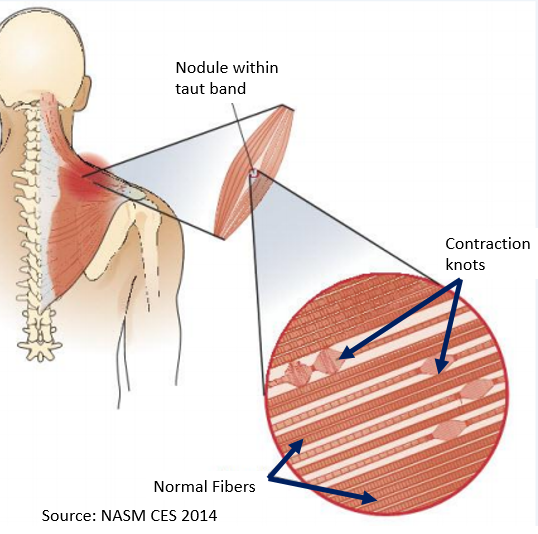
Overactive muscles signify areas where tiny cramps (also called knots, or trigger points) have altered the ability of the muscle fibers to contract properly. Over time, these knots can permanently alter intramuscular coordination by forming collagen bonds across the direction of muscle fiber contraction. Known as Davis’s law, the knots will change movement properties of joints. You can observe compensations in dynamic movement during some exercise4. For example, inward movement of the knees during the “up” phase when performing a squatting technique. The proper muscular-joint function should allow the quadriceps and gluteal group to do most of the lifting. However, the dysfunction has caused the muscles in the inner thigh and outer lower leg to take over for the bigger muscle. Movement compensation could be why a simple movement results in long-term pain (reaching for a can of beans and throwing out your back).

WHAT DOES SMR DO?

SMR impacts multiple systems of the body to create muscle relaxation. The application of varying degrees of pressure addresses specialized organelles called mechanoreceptors. The Golgi tendon organ (GTO) and muscle spindles (MS) are the primary targets of SMR3,5. Although, SMR brings about changes in the central nervous system as a whole. Reducing the impact of knots is achieved by continuous application of high pressure for up to 30 seconds or lighter pressure applied for up to 90 seconds. Judge intensity by your pain tolerance level2.You can manipulate pressure by using different types of release tools. Harder materials will increase tissue pressure as softer materials reduce pressure. There are devices like rumble rollers that provide intense localized pressure for deep knots. Choose the one that fits your fitness needs and preference best. Soft tissue manipulation initiates changes in tissue response. SMR stimulates the central nervous system (skeletal muscles) and the autonomic nervous system (hypothalamus, general muscle tone) to relax the entire body via fascia5. SMR after intense exercise can proliferate a return to normal heart rate and diastolic blood pressure 1.
© NASM 2014 Foam Rolling  Calves
I recommend performing SMR daily. As a preventative measure, SMR should be used as part of a thorough warm up plan. I recommend SMR after tissues are warm-up and before vigorous exercise. Some research suggests that SMR can be performed before a warm-up AND before vigorous exercise. It is best to try both and make adjustments to which works best for you. 
That is all for now. I’ll touch back on foam rolling and flexibility in later posts.

Stay healthy everyone,
Reuben


References

1.      Arroyo-Morales,, M., Olea, N., Martinez, M., Moreno-Lorenzo, C., Daz-Rodrguez, L., & Hidalgo-Lozano,, A. (2008, March). Effects of Myofascial Release After High-Intensity Exercise: A Randomized Clinical Trial. Journal of Manipulative and Physiological Theraputics, 31(3), 169-254. doi: http://dx.doi.org/10.1016/j.jmpt.2008.02.009
2.       Hou, C. -R., Tsai, L. -C., Cheng, K. -F., Chung, K. -C., & Hong, C. -Z. (2002, October). Immediate Effects of Various Physical Therapeutic Modalitieson Cervical Myofascial Pain and Trigger-Point Sensitivity. Archives of Physical Medicine and Rehabilitaiton, 83, 1406-1414.
3.       Jami, L. (1992, July 1). Golgi tendon organs in mammalian skeletal muscle: functional properties and central actions. American Physiological Society, 72, 623-666.
4.       NASM. (2012). NASM Essentials of Personal Fitness Training (Fourth ed.). (M. A. Clark, S. C. Lucett, & B. G. Sutton, Eds.) Baltimore, Maryland, United States of America: Lippincott Williams & Wilkins.
5.       NASM. (2014). NASM Essentials of Corrective Exercise Training. Burlinton, Massachutes: Jones & Bartlett.


Wednesday, September 2, 2015

EXERCISE AND LOW BACK PAIN

What is Low Back Pain?

Low back pain is defined as pain and discomfort, localized below the costal margin and above the inferior gluteal folds. This is a fancy way of saying between the bottom middle of the back to the bottom of your butt cheek.  For the sake of my terrible typing skills, I will refer to low back pain as LBP. It is reasonable to estimate that every American will experience some form of LBP at least once in a lifetime. The reality is much harsher. Upwards of 70% of persons in most industrialized countries will experience LBP that may or may not radiate down the leg. 
LBP can be caused by an injury or biomechanical breakdown. LBP due to infection, tumor, osteoporosis, ankylosing spondylitis, fracture, etc. must be cleared by your physician or therapist before beginning an exercise program.  Non-specific LBP is the most common form. This is because there is no obvious cause for the chronic or acute symptoms. This type of LBP can usually be addressed through the intelligent application of a progressive corrective exercise program.
Chronic LBP is a leading cause of medical facility visits each year costing billions of dollars annually in lost days of work, reduced quality of life, and increased health care expenses.

© Dirima | Dreamstime.com

Non-specific LBP and Exercise

It is suggested that regular exercise is an effective measure to combat chronic LBP. Millions of people sidelined by nonspecific LBP because it hurts to move. I realize pain tolerance is very unique to each of us, but we should resist the urge to sit still. Some people can “fight” through the pain while others fully succumb to it. Either way, the issue can be addressed through intelligent program design. Most cases of nonspecific LBP do not require hospitalization or even physician care. Modification of exercises can help manage the symptoms. If you do decide the pain is too much take the time off but set a realistic and quick return time. This time should be with or without discomfort still present.  The reason is that we need to practice strengthening core musculature through deliberate application of specific exercises.

Non-specific LBP program design

We should always realize that all pain management is specific to the individual. What exercises help person “A” may increase pain in person “B”. For this reason, I believe you should seek out a certified corrective exercise or functional movement professional to assess which exercises will be right for you. Again, if you are under the care of a medical professional then stick to their exercise prescription.
Research supports incorporating multiple forms of exercise. Try different positions and variations to find what works best for you.  Chronic or reoccurring LBP that is not indicative of a greater injury can be used as a guide to assess program effectiveness. Remember, be patient with your program. The dysfunction did not happen overnight, and the correctives may take 3 months or longer to take hold.
The focus of the program should be geared toward muscular endurance rather than strength. Core stability is a systemic harmony of muscle contraction and relaxation to maintain static and dynamic posture. The majority of low back injuries happen during fatigue.
Well, that is all for today. Look for me to write more on low back pain in the future.

Live healthy everyone,


References

American College of Sort Medicine. (2009). ACSM's Exercise Management for Persons with Chronic Diseases and Disabilities. Champaign, Illinois: Human Kinetics.
American College of Sport Medicine. (2014). ACSM's Guidelines for Exercise Testing and Prescription (Ninth ed.). Baltimore, Maryland, United States of America: Wolter Kluwer Lippincott Williams & Wilkins.
McGill, S. M. (2003, March). Enhancing low back health through stabilization exercises. Retrieved September 1, 2015, from American Council on Exercise: http://www.acefitness.org/pdfs/lowbackstabilization.pdf
Powers, S. K., & Howley, E. T. (2012). Exercise Physiology: Theory and Application to Fitness and Performance (Ninth ed.). New York, New York, United States of America: McGraw Hill.
Web MD. (2010). Living with Low Back Pain. (B. Nazario, Ed.) Retrieved September 1, 2015, from Web MD: http://www.webmd.com/back-pain/living-with-low-back-pain-11/causes?page=3